
 eSIM Studios
A new Gallup survey just revealed that seven out of 10 Americans oppose data centers built near their homes and communities — a massive jump from the 47% that objected to these projects in late 2025. According to The Washington Post, opposition towards these projects have become so intense that many of the respondents would rather live near a nuclear power plant.
Pushback against data centers has been steadily increasing across the nation, with projects getting delayed by regulatory fights, public debates, and political revolts. Elected officials have to listen as more and more people are making noise against these projects, with 69 jurisdictions across the United States enacting moratoriums.
Go deeper with TH Premium: AI and data centers
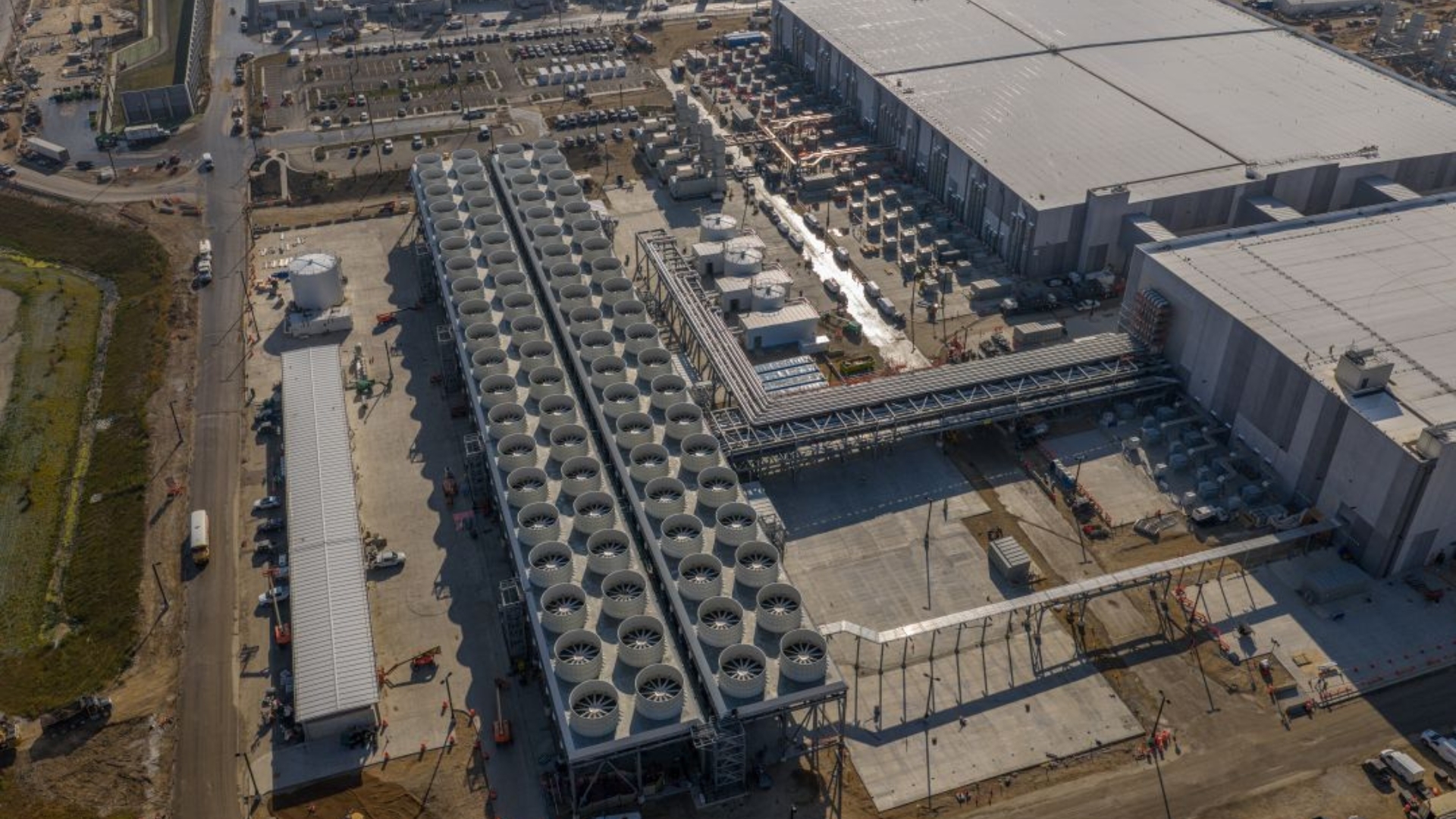
Data center developers who are going through the permitting process are also facing stiff resistance. Even though these projects may be supported by some officials, they’re still required to go through public hearings that are quickly becoming passionate battlegrounds for residents concerned about the negative effects of these data centers on their way of life. Even those data centers that have already received approval from various councils see their supporters resigning or quickly getting voted out and getting replaced by opponents.
You may likeMany developers argue that these projects will bring in positive cash flow and bring a net positive to their surrounding communities. However, reports of egregious electricity price hikes from last year are pushing public sentiment against these developments, especially as they coincided with the cost-of-living crisis that the U.S. is experiencing. The data center boom has pushed wholesale electricity prices by up to 267%, with households and small businesses facing increased utility costs because of it. Maryland even had to go to the Federal Energy Regulatory Commission (FERC) to complain about the $2 billion bill that PJM Interconnect is charging it for upgrading its infrastructure to support out-of-state data centers.
AI hyperscalers are trying to reduce regulatory friction by building on rural, unincorporated land instead of municipalities. This would mean that they do not have to go through city or town council approvals and avoid lengthy legal battles at the local level (although they still have to pass through county-level authorities).
The political fights for and against data centers are even turning physical as tempers flare up. One alarming incident had an Indiana politician’s home shot at 13 times, with the assailant leaving a “NO DATA CENTER” sign on their doorstep, while a sitting Utah senator slapped a reporter’s phone away from their hand while they were trying to cover the harassment against the business of said senator for supporting a proposed 9GW data center.
This survey is bad news for AI hyperscalers, as data center developers can only expect the permitting process to become harder and take a lot more time. The White House has responded to the increasing price hikes earlier this year by gathering some of the biggest AI tech companies and made them promise to “pay their own way” when it comes to developing the technology. It seems to be too little, too late, though, as this is just a statement and has no regulatory teeth to back it up.
Aside from electricity cost concerns, many people are also looking at data centers’ impact on air pollution, especially off-grid sites that run their own power, as well as their potential for abuse of water resources. Citizens are also complaining about noise pollution around these sites, with some even bringing up inaudible but “felt” infrasound, which allegedly causes adverse health effects. Unless data center developers address these issues head-on and prove that they will have a limited negative impact on the community, we can only expect public sentiment to continue going against these projects.

Follow Tom's Hardware on Google News, or add us as a preferred source, to get our latest news, analysis, & reviews in your feeds.

No comments